

Analyse low-carbon steel production routes, hydrogen reduction, and emerging decarbonisation technologies through an expert-led webinar. This presentation is part of the HILT CRC webinar series.

Description
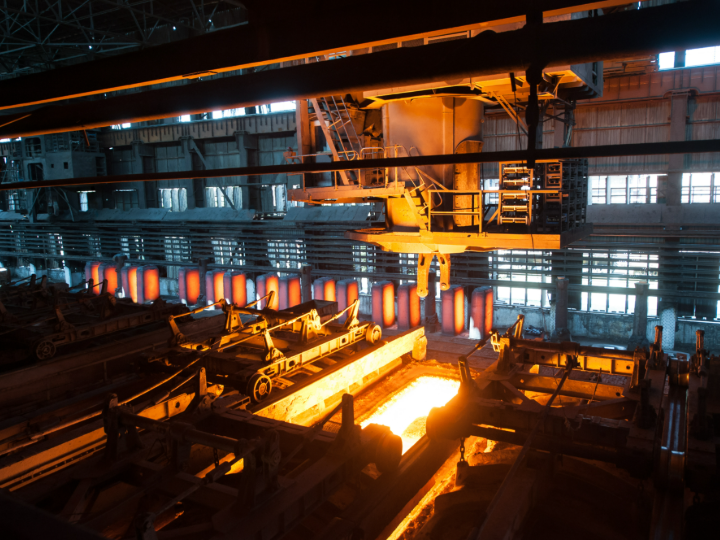
This expert-led webinar explores hydrogen-based steelmaking and its role in reducing emissions from primary iron and steel production. It compares blast furnace/basic oxygen furnace, electric arc furnace, and direct reduced iron routes, examining their raw materials, energy requirements, and carbon implications. The module analyses the thermodynamic consequences of replacing carbon with hydrogen as a reducing agent, including the transition from exothermic to endothermic reactions and the resulting reactor heat-balance requirements. It also examines the scale, cost, energy, and ore-quality constraints affecting green-hydrogen deployment. Complementary decarbonisation pathways—including molten oxide electrolysis, biochar and biomass substitution, and carbon capture and utilisation—are considered to support comparison of emerging options for lower-carbon steel production.
Course content
Learning Outcomes
-
Comprehends heat treatment processes to alter the properties of steel, such as hardness and toughness.2
-
Understands the role of carbon accounting in ESG, risk, and strategic planning.4
-
Knows global carbon policy trends, including carbon pricing and disclosures.4
-
Familiar with the economics of CCS, including cost estimation and potential revenue from carbon credits or trading.3
-
Demonstrates a working knowledge of electric arc furnaces (EAFs), their components, and related equipment.2
Related Occupations
Energy Efficiency Specialist
Develops and oversees energy management plans to enhance efficiency and sustainability. They conduct audits, advocate for energy-efficient technologies, and lead renewable energy integrations. By collaborating with various teams, they ensure compliance with regulations and foster a culture of energy conservation. This role involves analyzing energy data, educating employees, and using life cycle cost analysis to guide eco-friendly investments, aligning with the organization's sustainability ambitions.
Energy Manager
Develops and oversees energy management plans to enhance efficiency and sustainability. They conduct audits, advocate for energy-efficient technologies, and lead renewable energy integrations. By collaborating with various teams, they ensure compliance with regulations and foster a culture of energy conservation. This role involves analyzing energy data, educating employees, and using life cycle cost analysis to guide eco-friendly investments, aligning with the organization's sustainability ambitions.
Engineer - Operation
Monitors process parameters and suggests corrective measures in case of deviations. Contributes to improve Safety, Environment, Quality and Productivity performance. Leads / participates in Technical / Safety investigations. Conducts trials and report findings. Imparts knowledge to operating crew.
Engineer - Operation
Monitors process parameters and suggests corrective measures in case of deviations. Contributes to improve Safety, Environment, Quality and Productivity performance. Leads / participates in Technical / Safety investigations. Conducts trials and report findings. Imparts knowledge to operating crew.
Related Qualifications
There are currently no related items to show.