

Explore how integrated energy infrastructure supports reliable, affordable and low-carbon energy for industrial hubs, with insights into planning, collaboration and investment strategies for the energy transition. This presentation is part of the HILT CRC webinar series.
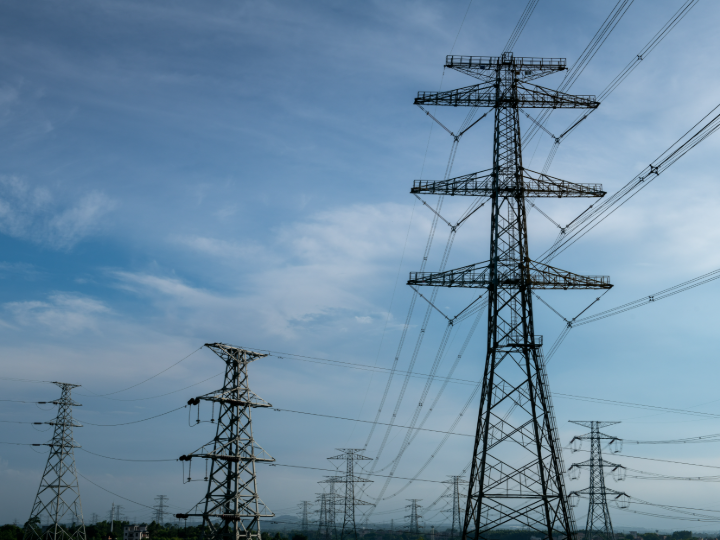

Description
Designed for professionals, policymakers, researchers and industry stakeholders involved in industrial decarbonisation and energy system planning, this webinar module features an expert panel discussion exploring the role of integrated energy infrastructure in supporting reliable, affordable and low-carbon energy for heavy industrial hubs. Participants examine the challenges of balancing reliability, affordability and decarbonisation while considering staged investment pathways for electricity and gas infrastructure. The discussion also explores how regional planning aligns with national energy planning, including the Australian Energy Market Operator (AEMO), and highlights the importance of collaboration between industry, governments and network planners. Featuring insights from HILT CRC Project RP3.007, the webinar module provides strategic perspectives on enabling investment in net-zero industrial hubs and serves as an introductory resource within the HILT CRC Webinar Series.
Course content
Learning Outcomes
-
Recognizes basic concepts such as supply risks, price volatility, and operational disruptions.1
-
Understands the basic principles of decarbonization and energy transition.1
-
Recognizes the role of net-zero commitments and sustainability goals.1
-
Supports the development and coordination of partnerships with external stakeholders and organizations.2
Related Occupations
Energy Efficiency Specialist
Develops and oversees energy management plans to enhance efficiency and sustainability. They conduct audits, advocate for energy-efficient technologies, and lead renewable energy integrations. By collaborating with various teams, they ensure compliance with regulations and foster a culture of energy conservation. This role involves analyzing energy data, educating employees, and using life cycle cost analysis to guide eco-friendly investments, aligning with the organization's sustainability ambitions.
Energy Manager
Develops and oversees energy management plans to enhance efficiency and sustainability. They conduct audits, advocate for energy-efficient technologies, and lead renewable energy integrations. By collaborating with various teams, they ensure compliance with regulations and foster a culture of energy conservation. This role involves analyzing energy data, educating employees, and using life cycle cost analysis to guide eco-friendly investments, aligning with the organization's sustainability ambitions.
Future Production Manager
Manufacturing, mining, construction and distribution managers plan, organize and coordinate the manufacturing, mineral extraction, construction, supply, storage and transportation operations, either as the manager of a department or as the general manager of an enterprise or organization that does not have a hierarchy of managers.
Related Qualifications
There are currently no related items to show.