

Learn how renewable process heat technologies can support heavy industry decarbonisation by exploring Australia's industrial heat market and low-emissions technology pathways in this expert-led webinar. This presentation is part of the HILT CRC webinar series.
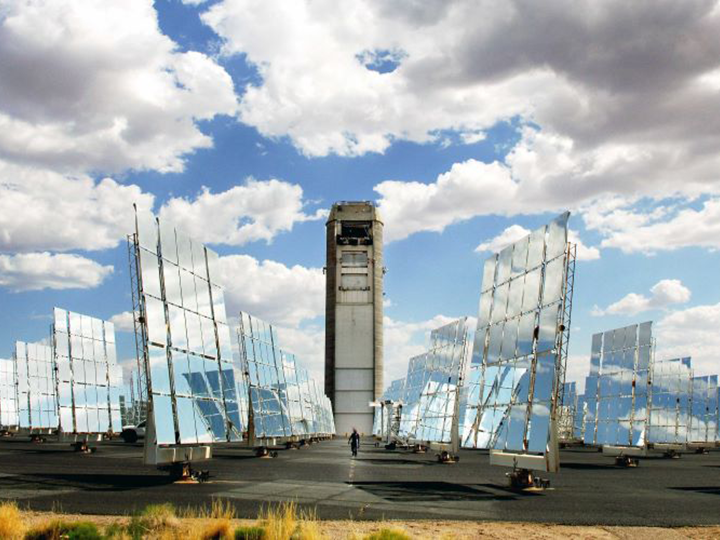

Description
Designed for professionals, engineers, researchers and decision-makers interested in industrial decarbonisation, this module explores the role of renewable process heat in reducing emissions across Australia's heavy industries. Learners examine the characteristics of Australia's industrial process heat market, evaluate renewable heat technologies including electrification, bioenergy and solar thermal, and compare alternative low-emissions pathways for sectors such as alumina, iron and steel, and cement production. Through an expert-led webinar supported by industry research and practical examples, participants develop the ability to assess technology options and understand the technical and economic factors influencing investment decisions. This module provides an introductory foundation for broader learning in industrial energy transition and renewable heat technologies.
Course content
Learning Outcomes
-
Understands the basic principles of energy efficiency and its importance.1
-
Recognizes key terms such as net zero, carbon neutrality, and transition planning.1
-
Recognizes key terms such as net zero, carbon neutrality, and transition planning.1
-
Knowledge of technologies addressing pollution in air, land, water, and waste.2
-
Perform basic cost-benefit analysis to evaluate the financial viability of technology implementations.1
Related Occupations
Energy Efficiency Specialist
Develops and oversees energy management plans to enhance efficiency and sustainability. They conduct audits, advocate for energy-efficient technologies, and lead renewable energy integrations. By collaborating with various teams, they ensure compliance with regulations and foster a culture of energy conservation. This role involves analyzing energy data, educating employees, and using life cycle cost analysis to guide eco-friendly investments, aligning with the organization's sustainability ambitions.
Energy Manager
Develops and oversees energy management plans to enhance efficiency and sustainability. They conduct audits, advocate for energy-efficient technologies, and lead renewable energy integrations. By collaborating with various teams, they ensure compliance with regulations and foster a culture of energy conservation. This role involves analyzing energy data, educating employees, and using life cycle cost analysis to guide eco-friendly investments, aligning with the organization's sustainability ambitions.
Environmental Manager
Provide advice on the development of environmental policies to governmental and official institutions. They analyse possible threats for the well being of the people and the environment in a region and manage campaigns aimed at tackling problems such as waste collection, landfills, and preservation of green areas.
Future Production Manager
Manufacturing, mining, construction and distribution managers plan, organize and coordinate the manufacturing, mineral extraction, construction, supply, storage and transportation operations, either as the manager of a department or as the general manager of an enterprise or organization that does not have a hierarchy of managers.
Related Qualifications
There are currently no related items to show.