

Join Professor Geoff Brooks (Swinburne University of Technology) for an insightful webinar on non-hydrogen pathways to decarbonise ironmaking, including electrolysis, biomass-based reduction, metallothermic reduction, and the role of CCUS in low-carbon steelmaking. Featuring an industry perspective form Neil Goodman (Magnum Mining & Exploration), followed by live Q&A. This presentation is part of the HILT CRC webinar series
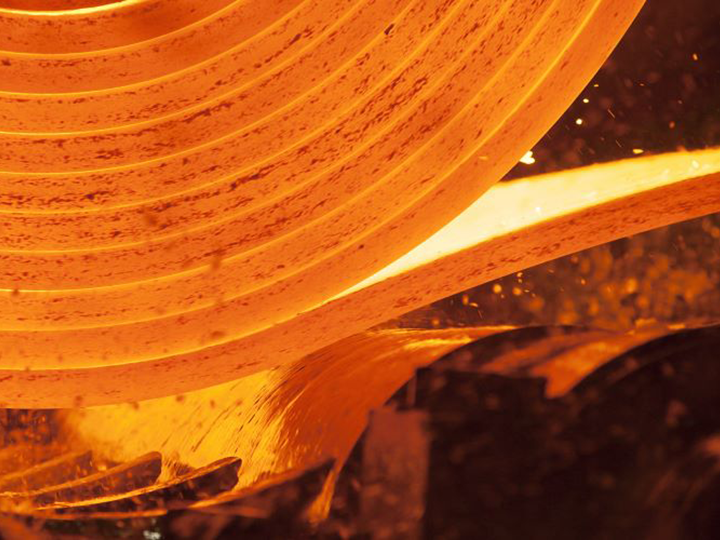

Non-hydrogen ironmaking - Lecture by Geoff Brooks and Neil Goodman
Full Code
MAN0101HIL205
Module Type
E-learning
Description
Short Description
Join Professor Geoff Brooks (Swinburne University of Technology) for an insightful webinar on non-hydrogen pathways to decarbonise ironmaking, including electrolysis, biomass-based reduction, metallothermic reduction, and the role of CCUS in low-carbon steelmaking. Featuring an industry perspective from Neil Goodman (Magnum Mining & Exploration), followed by live Q&A.
Long Description
Join us for an illuminating webinar exploring non-hydrogen ironmaking technologies that can support the decarbonisation of the iron and steel industry.
Professor Geoff Brooks (Swinburne University of Technology) will present a clear overview of emerging and alternative approaches that reduce reliance on fossil carbon and traditional blast furnace routes. The session will cover key technology pathways, including:
Electrolysis, using electrical energy to directly reduce iron ore without fossil fuels
Biomass, leveraging sustainable carbon sources as alternatives to coal and coke
Metallothermic reduction, using metals with higher oxygen affinity than iron to reduce iron oxide into metallic iron
Professor Brooks will also discuss the importance of carbon capture, utilisation and storage (CCUS) as a complementary strategy for low-carbon steelmaking. This includes insights from recent industrial trials, such as Steelanol in Belgium.
To connect the technical discussion with real-world industry priorities, Neil Goodman (HILT CRC board member, Director and former CEO at Magnum Mining & Exploration) will provide an industry perspective on opportunities and challenges for implementation.
This webinar is ideal for industry professionals, researchers, and policymakers seeking practical insights into decarbonisation strategies for hard-to-abate sectors. A live Q&A session will follow, offering participants the opportunity to engage directly with one of Australia’s leading experts in metallurgical engineering and sustainable steelmaking.
What you will learn
• Explain the main non-hydrogen ironmaking routes and their role in the decarbonisation of the steel industry.
• Compare conventional ironmaking processes with emerging low-carbon and alternative reduction technologies.
• Describe the principles, advantages, and limitations of electrolytic ironmaking routes, including molten oxide electrolysis.
• Assess the potential of biomass, metallothermic reduction, and smelting reduction as alternatives to coal-based processes.
• Identify key technical, economic, and scalability challenges associated with emerging ironmaking technologies.
• Evaluate the current role and limitations of carbon capture, utilisation, and storage (CCUS) in iron and steel production.
• Discuss technology readiness levels (TRLs) and research directions for future low-emission ironmaking pathways.
Module content
Related Occupations
There are currently no related items to show.
Related Qualifications
There are currently no related items to show.