
steelTalks is a monthly series on topics of safety issues in working at height. The lectures are presented in a webinar format with a guest lecturer. This webinar examines how Tata Steel developed and deployed a safety instrumented system to reduce derailment risks during rail-based hot metal transport. The solution uses a multi-barrier approach combining one-touch point setting, track alignment feedback, proximity sensing, optical sensing, alarms, and automatic correction.

Description
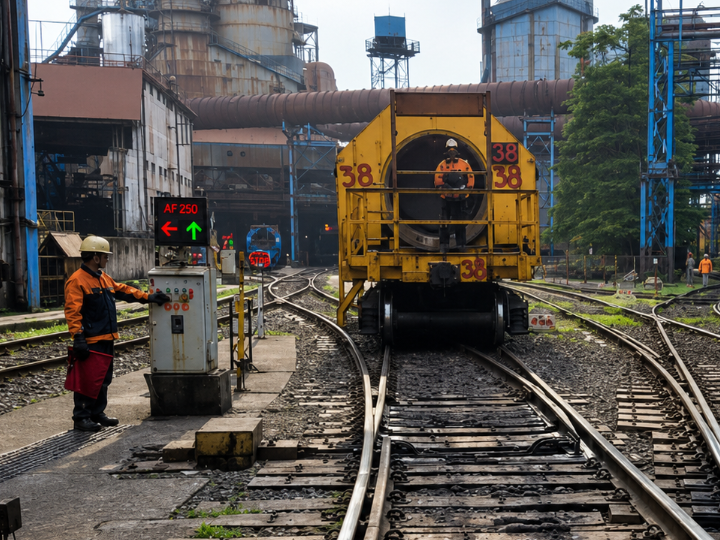
In integrated steel plants, torpedo ladle cars (TLCs) transport thousands of tonnes of hot metal each day across extensive rail networks. Any derailment of a filled TLC can lead to catastrophic loss of containment, hot metal–water explosions, serious injuries, and major business disruption. Historically, derailments have occurred mainly due to manual errors in track point setting.
This steelTalk examines how Tata Steel developed and deployed a safety instrumented system to reduce derailment risks during rail-based hot metal transport. The solution uses a multi-barrier approach combining one-touch point setting, track alignment feedback, proximity sensing, optical sensing, alarms, and automatic correction.
The lecture will highlight how this innovation contributed to zero derailments in FY25 due to point burst or side collisions across 112 points in a 62 km hot metal rail network, while generating annual savings of US$ 1,588,140, equivalent to 140 million Indian rupees, and securing one patent from the Government of India.
Course content
Learning Outcomes
-
Follows standard operating procedures related to molten metal handling, furnace access, and hot material transport.1
-
Understands the role of refractory linings and furnace condition in preventing failure.1
-
Able to identify layers of protection (alarms, barriers, interlocks) for key process safety scenarios.2
-
Interprets complex safety scenarios using bowtie analysis or barrier management models.3
-
Understands how design and operations influence process safety performance indicators.3
Related Occupations
Process Safety Engineer
To support the identification, assessment, and control of process safety risks through the application of engineering principles, risk methodologies, and regulatory knowledge. The role ensures that systems, procedures, and designs meet process safety standards and contribute to safe, reliable, and compliant operations.
Process Safety Engineer
To support the identification, assessment, and control of process safety risks through the application of engineering principles, risk methodologies, and regulatory knowledge. The role ensures that systems, procedures, and designs meet process safety standards and contribute to safe, reliable, and compliant operations.
Process Safety Graduate
To develop foundational knowledge, skills, and experience in process safety by supporting risk assessments, safety studies, and assurance activities under the supervision of experienced professionals. The role contributes to the identification and control of process safety risks in steelmaking operations while gaining exposure to key systems, tools, and standards that underpin safe, compliant, and efficient high-hazard operations.
Process Safety Graduate
To develop foundational knowledge, skills, and experience in process safety by supporting risk assessments, safety studies, and assurance activities under the supervision of experienced professionals. The role contributes to the identification and control of process safety risks in steelmaking operations while gaining exposure to key systems, tools, and standards that underpin safe, compliant, and efficient high-hazard operations.
Related Qualifications
There are currently no related items to show.