

steelTalks is a monthly series on topics of safety issues in working at height. The lectures are presented in a webinar format with a guest lecturer. This webinar examines how Tata Steel developed and deployed a safety instrumented system to reduce derailment risks during rail-based hot metal transport. The solution uses a multi-barrier approach combining one-touch point setting, track alignment feedback, proximity sensing, optical sensing, alarms, and automatic correction.
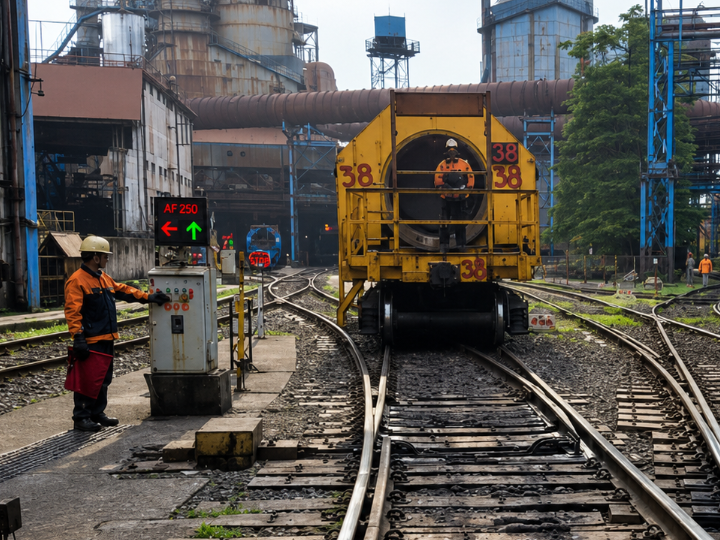

Preventing Hot Metal Loss of Containment During Rail-Based Transport - Lecture by Surya Bhusan Kumar Sinha
Full Code
STK0329205
Module Type
Webinar
Description
None
What you will learn
• Understand the risks associated with hot metal transport by torpedo ladle cars.
• Explain the role of safety instrumented systems in preventing loss of containment.
• Identify how limit switches, proximity sensors, optical sensors, and alarms improve rail point safety.
• Recognise the importance of multi-barrier safety solutions in integrated steel plants.
• Assess the operational and business benefits of preventing derailment-related incidents.
• Understand how workforce engagement supports successful deployment of process safety innovations.
Module content
Related Occupations
Process Safety Engineer
To support the identification, assessment, and control of process safety risks through the application of engineering principles, risk methodologies, and regulatory knowledge. The role ensures that systems, procedures, and designs meet process safety standards and contribute to safe, reliable, and compliant operations.
Process Safety Engineer
To support the identification, assessment, and control of process safety risks through the application of engineering principles, risk methodologies, and regulatory knowledge. The role ensures that systems, procedures, and designs meet process safety standards and contribute to safe, reliable, and compliant operations.
Process Safety Graduate
To develop foundational knowledge, skills, and experience in process safety by supporting risk assessments, safety studies, and assurance activities under the supervision of experienced professionals. The role contributes to the identification and control of process safety risks in steelmaking operations while gaining exposure to key systems, tools, and standards that underpin safe, compliant, and efficient high-hazard operations.
Process Safety Graduate
To develop foundational knowledge, skills, and experience in process safety by supporting risk assessments, safety studies, and assurance activities under the supervision of experienced professionals. The role contributes to the identification and control of process safety risks in steelmaking operations while gaining exposure to key systems, tools, and standards that underpin safe, compliant, and efficient high-hazard operations.
Related Qualifications
There are currently no related items to show.