Master the basics of steel types, properties, and production in this interactive metallurgy foundation course.
Ferrous Metallurgy
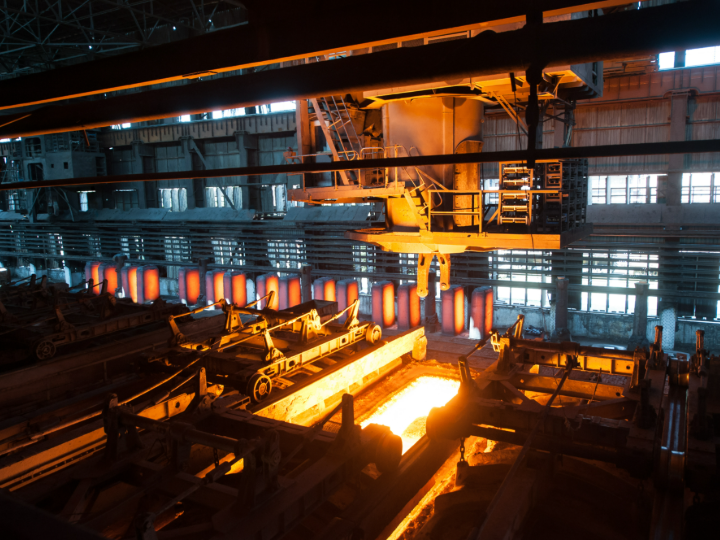
Casting machine breakout prevention - increasing productivity and reducing costs
These lectures outlines the areas on a continuous casting plant where caster instrumentation can improve the process control.
These lectures considers cleanness, surface and internal quality defects commonly found in continuously cast semis.
The course examines the Electric Arc Furnace (EAF) process. How it fits into world steelmaking and its advantages.
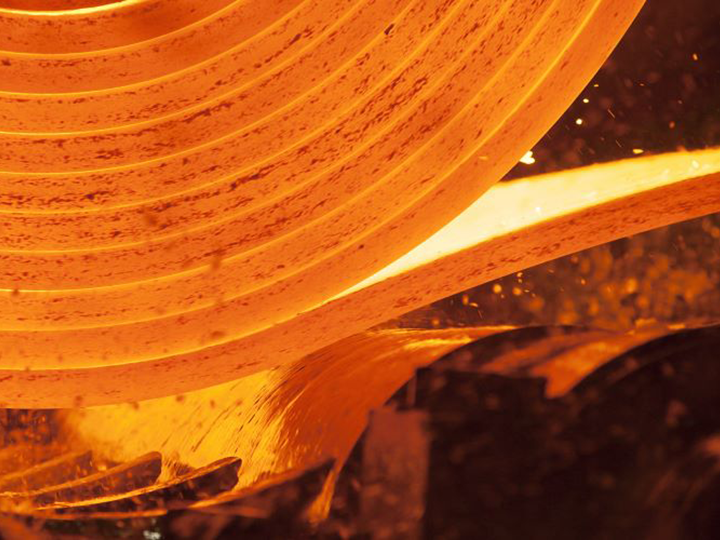
The course explores the principles of reheating in the hot rolling process.
Secondary steelmaking is an essential step in the steelmaking process for the production of high quality steels.
This course gives a practical and technical understanding of strand solidification to increase caster productivity and reduce quality defects.
Learn how The Introduction to Computer Numerical Control (CNC) Machining enables computers to control manufacturing tools and how to select, program and operate a CNC machine.
This course introduces the subject of Coal and Carbonisation, starting with how coal was formed and why coals possess different characteristics, moving on to how coals are characterised and selected for cokemaking and finally covering the carbonisation process to make metallurgical coke.
This course describes the principal elements of the Steelmaking and Casting process which are fundamental for the manufacturing of a highquality rail steel. It discusses in detail how critical defects can be reduced in the as cast semi and rail to meet ever demanding customer specifications which are increasingly essential for a high integrity rail product.
The Iron Ore for Direct Reduction course provides a comprehensive understanding of the entire iron ore journey — from its geological origins through beneficiation, agglomeration, quality testing, and material evaluation for direct reduction (DR) processes.
This course considers why process modelling is important and looks at different modelling techniques and the key steps within experimental modelling and computational fluid dynamics (CFD). It describes what validation is in modelling and why it is important and gives guidance on how to assess outcomes from modelling work